The Hidden Kitchens of Kansai: Heritage Broths and Ancient Ceramic Arts
An exploration of kelp curation in Osaka, temple shojin ryori, and kiln-fired pottery that defines Japanese dining culture.
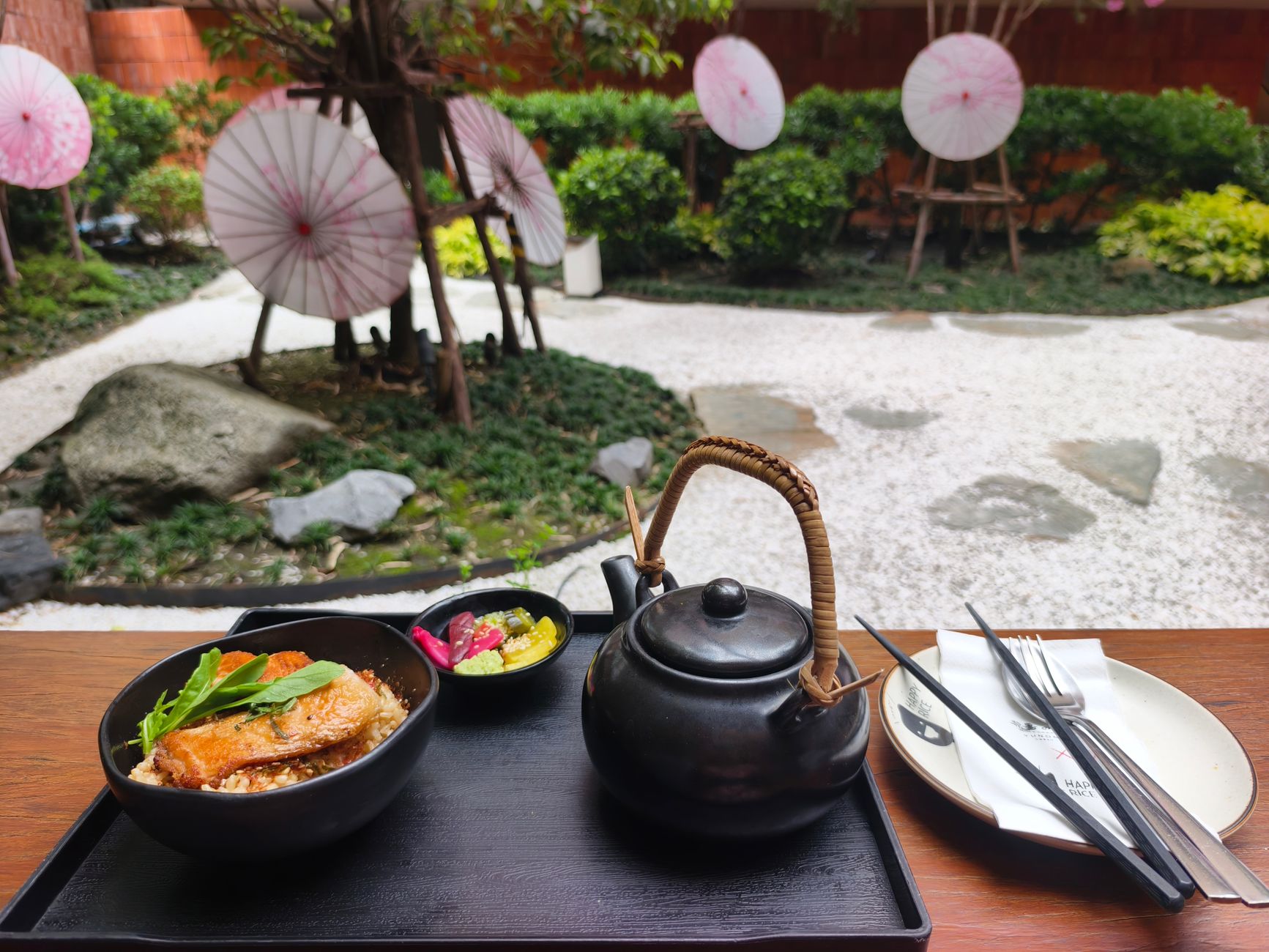
Table of Contents
1. The Architecture of Umami in Osaka
In a cedar-walled storage chamber near the riverbanks of Osaka, aging wild kombu rests under precise temperature control. It will remain untouched for up to three seasons, allowing natural minerals to crystallize upon its deep green surface before ever touching hot spring water.
Dashi is rarely ostentatious. It represents the quiet soul of Kansai cuisine—transparent, understated, yet possessing a resonant depth that grounds every subsequent dish. To understand this culinary philosophy is to understand Japanese aesthetics: eliminating superfluity until only raw essence remains.
2. Clay and Culinary Vessel Harmony
In traditional kaiseki, the vessel is never merely a container; it is an equal participant in the culinary composition. In the foothills of Shigaraki and Bizen, wood-fired climbing kilns produce unglazed stoneware marked naturally by flying pine ash.
"Food and ceramic plate must breathe the same season. Cold winter root vegetables require coarse, heat-retaining clay, while summer preparations demand translucent porcelain."
Our encounters with 15th-generation potters revealed a deep commitment to manual wood collection, clay extraction from local riverbanks, and patience spanning decades.
3. The Discipline of Micro-Seasons
Following the ancient 72 micro-seasons (kō), Kyoto chefs alter their menus every five days. Bamboo shoots harvested at dawn from mountain groves are consumed by noon; tiny mountain herbs gathered before flower emergence provide brisk bitterness that cleanses the palate.
Experience Culinary Japan With 111111
Our concierge connects travelers with private kaiseki seatings, master ceramic studios, and heritage tea estates throughout Kansai.
Inquire Regarding Private Dining Itineraries